March marks the transition to warmer days in our Valley, making it an ideal time to fine-tune your irrigation and support healthy spring growth.
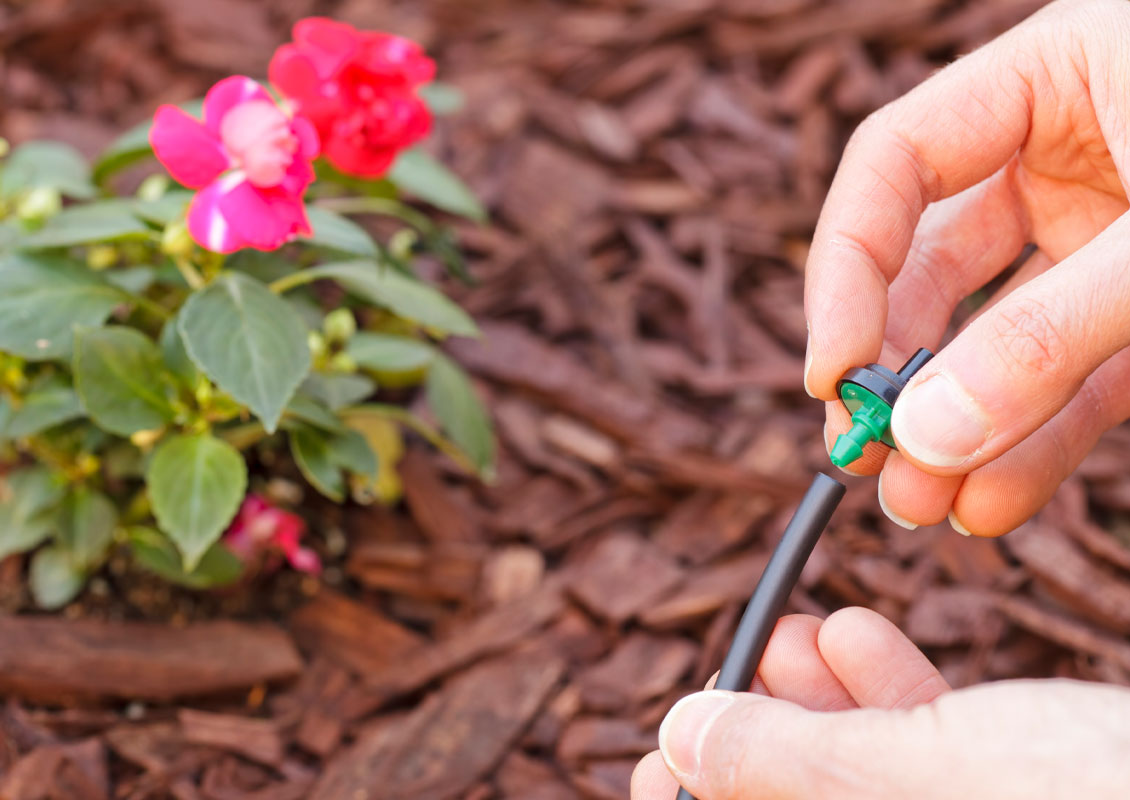
Start by inspecting your irrigation system. Check for leaks, clogged drip emitters, or misaligned sprinkler heads. Make sure water is reaching plant root zones—not sidewalks or streets. As temperatures begin to rise, plants will gradually need more water, but avoid overwatering. Deep, infrequent watering encourages stronger root systems.
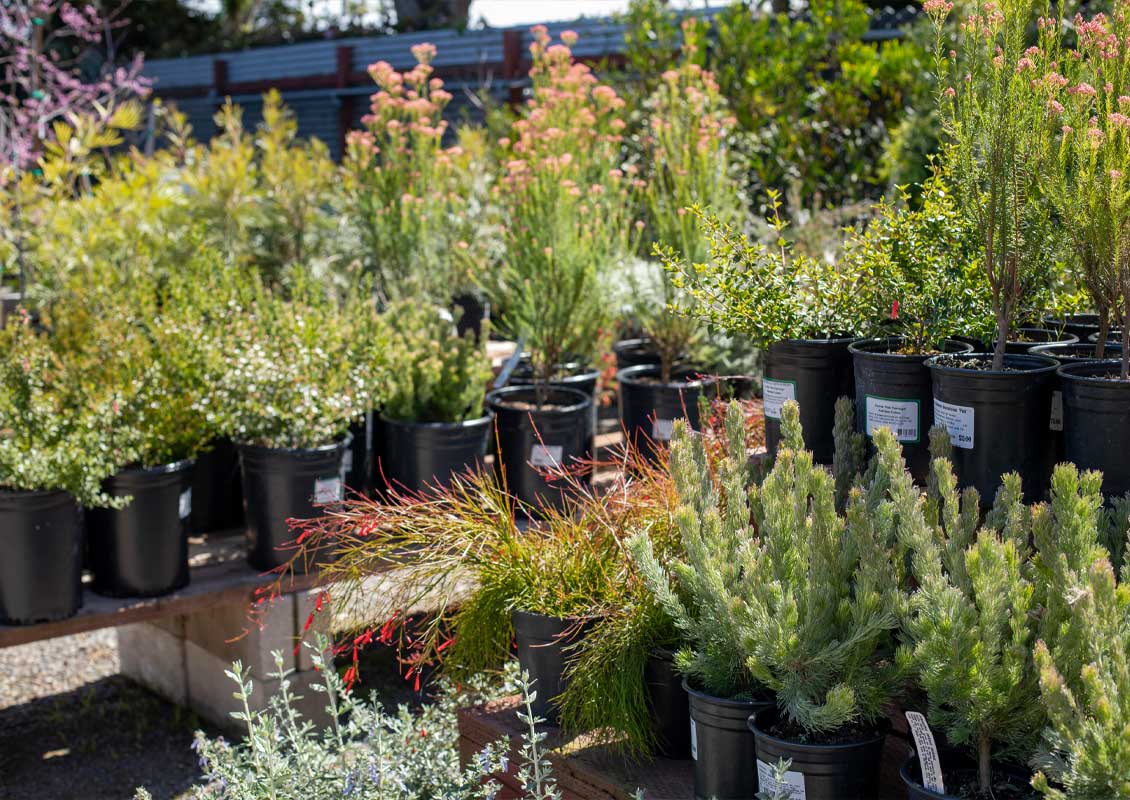
For desert native plants, remember that they are adapted to our climate and typically require less frequent irrigation than turf or tropical plants. Avoid the temptation to water them on the same schedule as your lawn. Established natives especially benefit from deep watering spaced further apart to prevent root rot and encourage drought resilience.
March is also an important month for citrus trees. As they begin flowering and setting fruit, consistent (but not excessive) watering is key. Make sure water penetrates deeply into the soil beneath the canopy, and consider applying a balanced citrus fertilizer according to label directions. Check for signs of nutrient deficiency, such as yellowing leaves, and refresh mulch around the base — keeping it a few inches away from the trunk.
Adding a 2–3 inch layer of mulch around trees and plants helps retain moisture, regulate soil temperature, and reduce evaporation as warmer weather approaches.
Taking these steps now will help your landscape thrive while keeping water use efficient before summer arrives.
For rebate information and water-wise landscaping resources, be sure to check out all our resources.
What you think counts.
Take the CV Water Counts Community Survey and help guide future outreach, programs, and resources.
Take the Survey