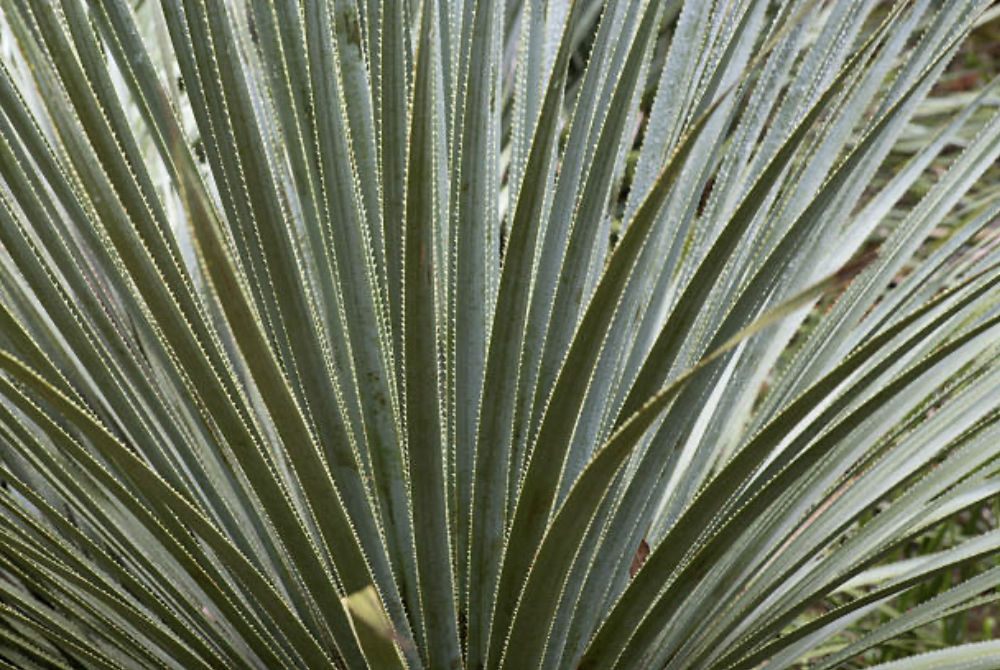
At first glance, Desert Spoon looks almost sculpted—a perfectly rounded burst of narrow, blue-green leaves radiating from a central base. But this striking form isn’t decorative by accident. Native to the arid landscapes of the American Southwest, Desert Spoon is a master class in desert survival and an excellent example of how plants have adapted to thrive with minimal water.
Despite its cactus-like appearance, Desert Spoon is actually a succulent, storing water in its thickened base and leaves. Its long, slender foliage is edged with tiny serrations and coated with a waxy surface that helps reduce moisture loss under intense desert sun. These features allow the plant to withstand extreme heat, long dry periods, and the challenging conditions typical of the Coachella Valley.
One of Desert Spoon’s greatest strengths is its exceptional drought tolerance. Once established, it requires very little supplemental irrigation, making it an ideal choice for water-efficient landscapes. It performs best in full sun and well-drained soils and is commonly used as a focal point in residential yards, public spaces, and demonstration gardens designed to showcase desert-appropriate plants.
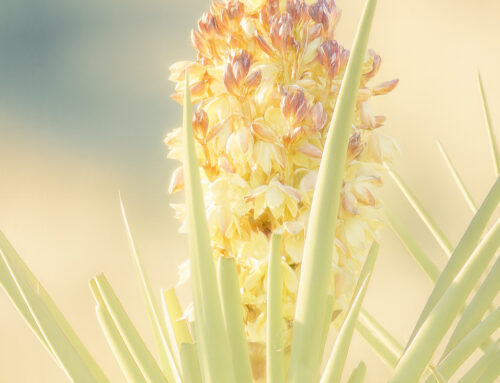
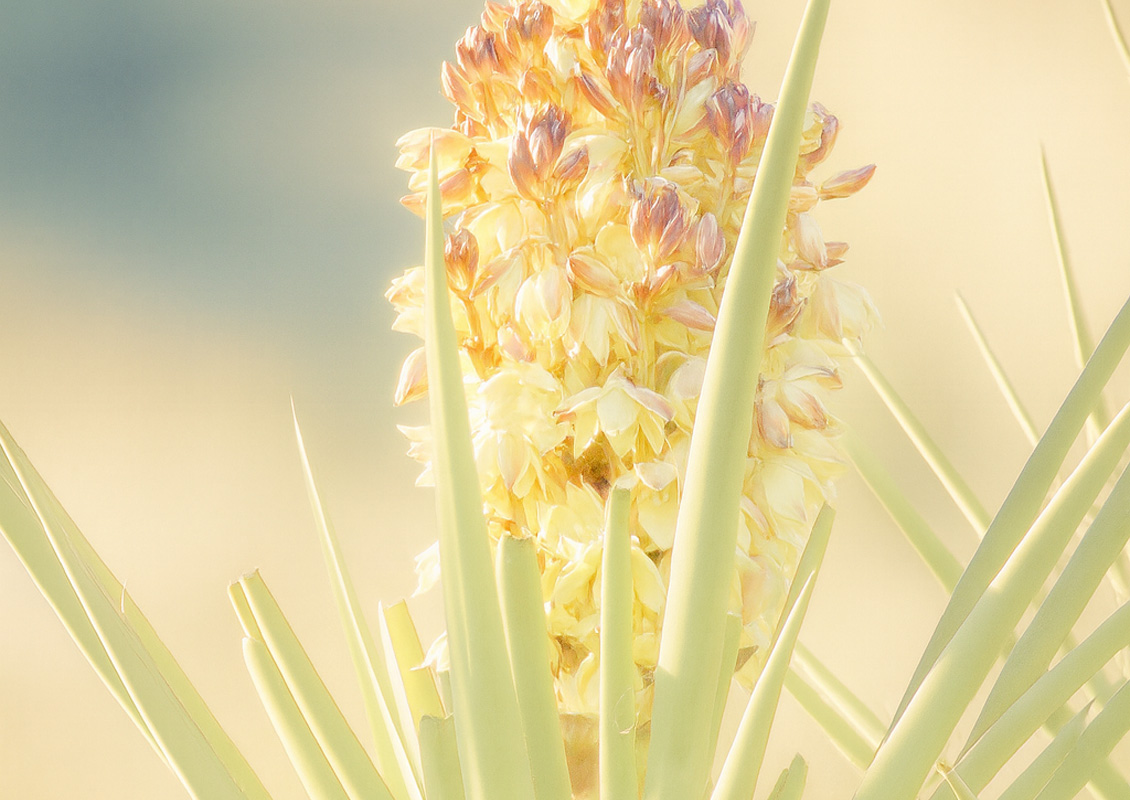
Every few years, Desert Spoon puts on a spectacular show. A tall flower stalk — sometimes reaching 10 to 15 feet — emerges from the center of the plant, topped with hundreds of small, creamy white flowers. These blooms attract bees and other pollinators and add a dramatic vertical element to the landscape. After flowering, the plant returns to its sculptural form, continuing to provide year-round visual interest.
In addition to its beauty and resilience, Desert Spoon offers long-term value. It is a slow-growing, long-lived plant that requires minimal maintenance, no regular pruning, and little attention once established. This makes it especially appealing for homeowners and communities looking to reduce outdoor water use while maintaining attractive, sustainable landscapes.
Desert Spoon is a reminder that water-wise landscaping doesn’t mean sacrificing beauty or impact. By choosing plants adapted to our local climate, Coachella Valley residents can create landscapes that are striking, resilient, and responsible — conserving water while celebrating the natural character of our desert environment.