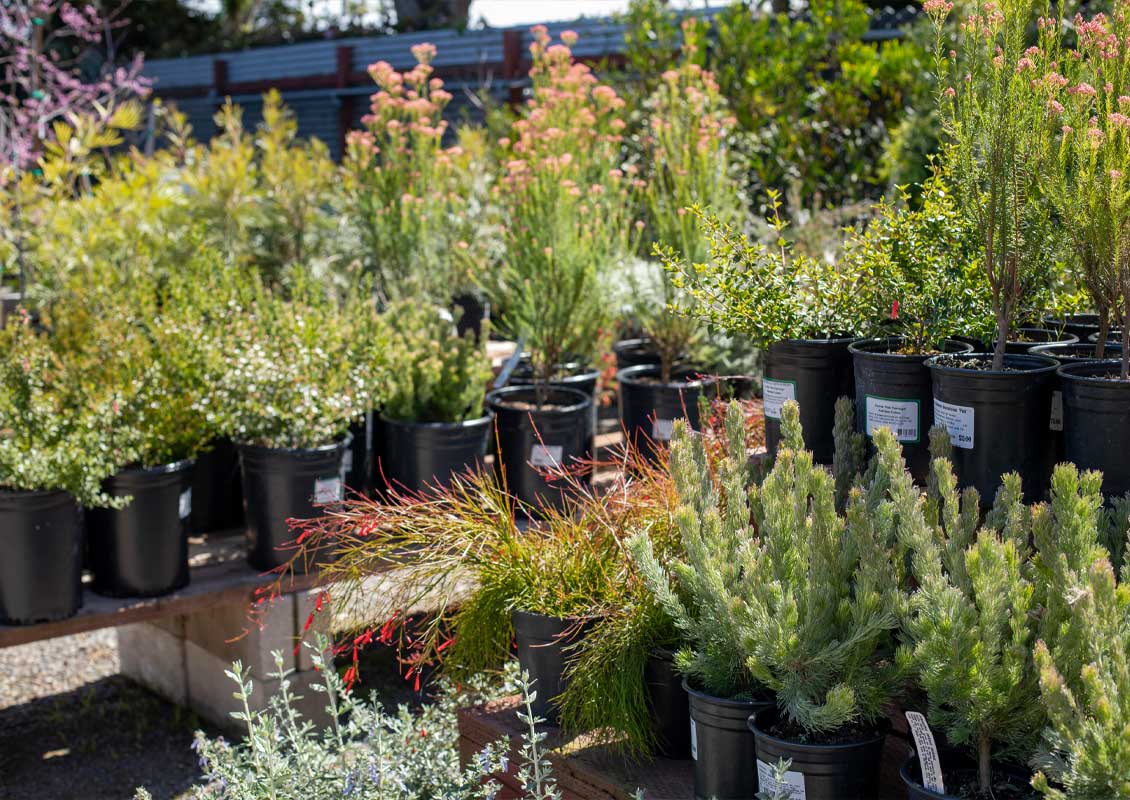
Looking to reduce your outdoor water use while still enjoying a beautiful, vibrant landscape? Replacing traditional turf with low-water-use plants is one of the most effective ways to make a lasting impact.
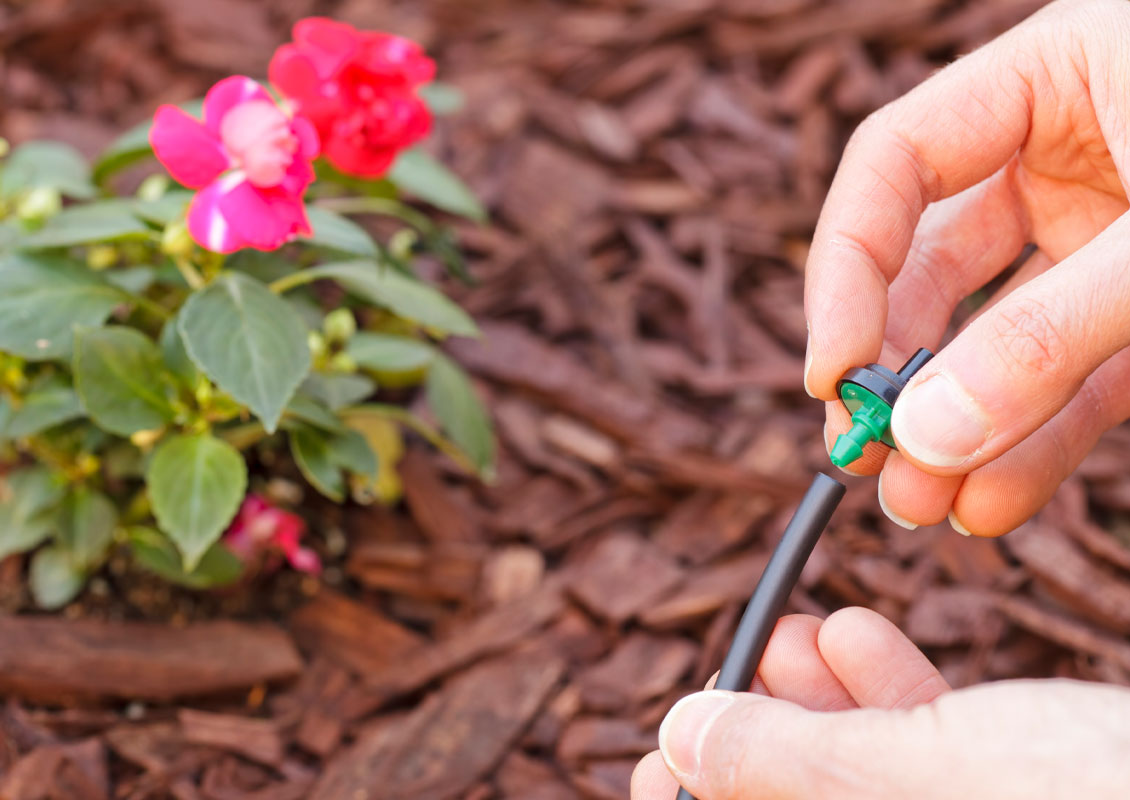
Turf grass is often one of the most water-intensive elements in a landscape. By transitioning to climate-appropriate, low-water-use plants, you can significantly reduce your irrigation needs—often by 40 to 50 percent once plants are established. These plants are well-suited to our desert climate and can thrive with less frequent watering, especially when paired with efficient irrigation systems.
Beyond water savings, this type of landscaping offers additional benefits:
- Lower maintenance requirements (less mowing, fertilizing, and upkeep)
- Improved soil health and reduced runoff
- Enhanced curb appeal with diverse textures, colors, and seasonal interest
- Increased resilience during hot, dry conditions
When planning your transition, consider starting small. Replace sections of turf in phases, such as parkways, side yards, or underutilized lawn areas. Be sure to group plants with similar water needs (a practice known as hydrozoning) and incorporate mulch to help retain soil moisture.
To better understand how much water your landscape needs throughout the year, explore our Irrigation Guide, which provides seasonal watering recommendations tailored to our region.
And before you begin your project, check to see if your water agency offers rebates or incentives for turf replacement or irrigation upgrades. These programs can help offset costs and make your water-wise landscape even more accessible.
A beautiful yard does not have to come at the cost of high-water use. With thoughtful plant choices and smart design, you can create a landscape that is both stunning and sustainable.
For rebate information and water-wise landscaping resources, be sure to check out all our resources here.
What you think counts.
Take the CV Water Counts Community Survey and help guide future outreach, programs, and resources.
Take the Survey