Freshwater is becoming increasingly scarce worldwide. According to National Geographic, only 2.5% of all water on Earth is freshwater, and less than 1% of that is readily accessible in rivers, lakes, and shallow groundwater. Here in the Coachella Valley, our water supply is especially unique as we rely almost entirely on groundwater. According to Coachella Valley Water District’s website, nearly 100% of the valley’s household water supply is sourced from groundwater.
Due to natural recharge from rainfall being very limited, the valley also heavily relies on imported water from the Colorado River and State Water Project to recharge the aquifer. With this being said, water conservation is more important than ever before, as readily accessible water is diminishing, and the need to value water has significantly increased.
How does water conservation help community water security?
When water is in short supply, it’s important to view it as such; managing demand through conservation becomes crucial to ensuring that communities that include homes, businesses, and agriculture have a reliable supply.
How do ecosystems depend on sustainable water use?
Scientific assessments point out that ecosystems are highly sensitive to changes in groundwater, precipitation, and surface water levels. For example, declining groundwater can reduce soil moisture and ultimately harm vegetation growth in dry semi-desert regions and climates.
Additionally, freshwater biodiversity is under threat: a study reported in AP News indicates that about 24% of freshwater-dependent species, such as various fish and insects, are at risk of extinction due to pollution, extraction, climate change, and other pressures.
What is at risk?
Long-term sustainability is jeopardized if groundwater is overused; this risk bleeds into homes, local businesses, and agriculture, being affected. The Coachella Valley’s agriculture depends on Colorado River water and efficient irrigation. Due to water supply being constrained, CVWD’s long-term management includes recycling and replenishment efforts to stabilize the basin, not just conservation.
Local Conservation Measures and Policies
- Tiered water rates incentivize conservation: higher usage is penalized, encouraging residents and businesses to reduce over-watering.
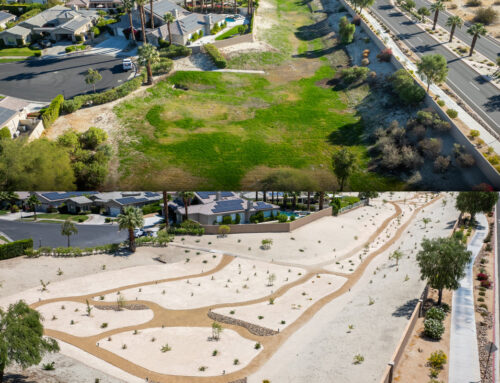
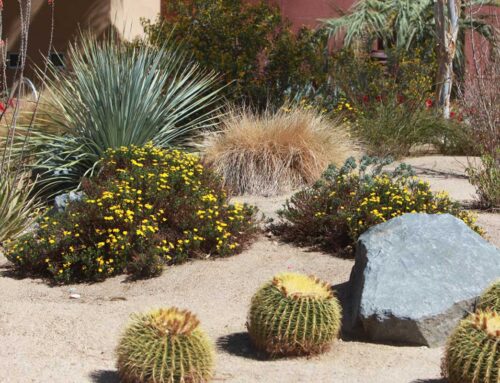
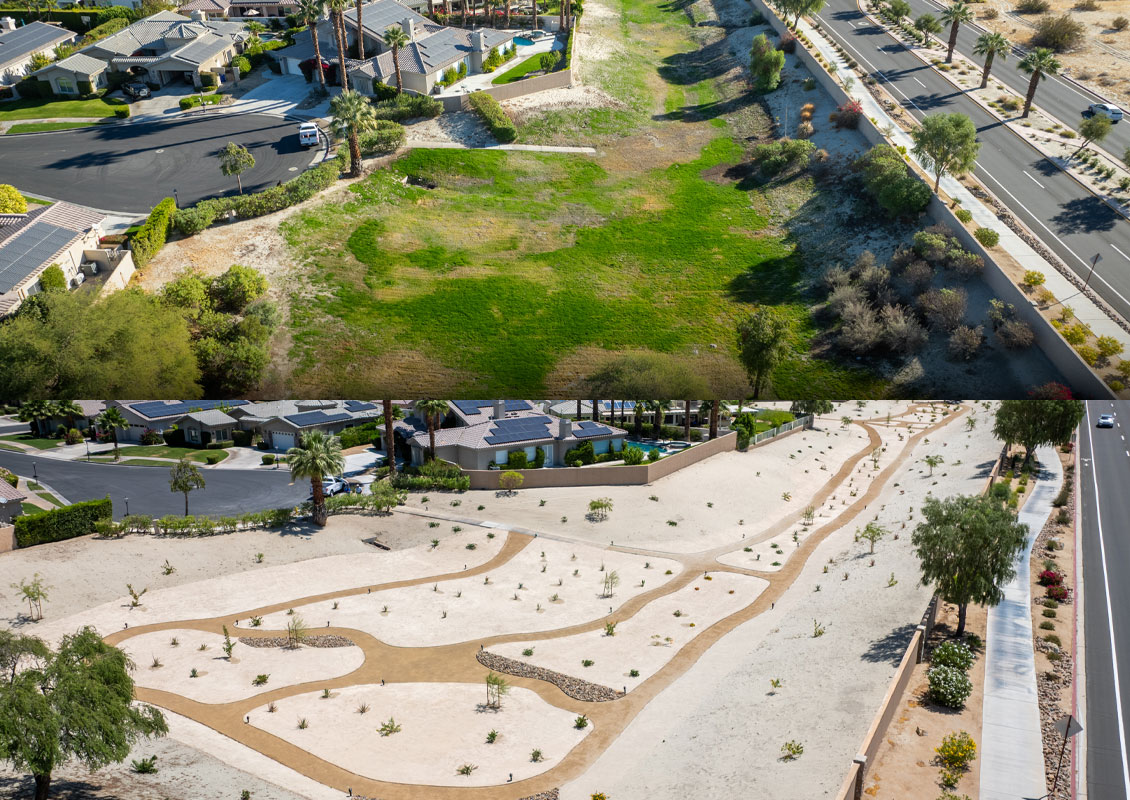
- Strong turf-reduction and “desert-landscaping” push.
- Many golf courses are transitioning to nonpotable water (recycled water + Colorado River water) rather than groundwater.
- Expanded rebate programs, including turf-conversion incentives to reduce water-intensive grass areas
It’s crucial now more than ever to value the water that our communities have access to. Conservation is a shared responsibility, one we must uphold both individually and as a region to protect our long-term water future.